Walk into a tailor’s shop and say, “Make me a suit.” A good tailor doesn’t reach for the scissors. They pick up a tape measure and ask: where will you wear it, what colours do you like, when do you need it?
With AI it often goes the other way. You type “write a post about my shop” and five seconds later you get a smooth text that would fit any shop on earth. There is nothing in it about yours.
Why the answer comes out generic
AI can’t read your mind. It sees only what you typed. Everything else it fills in by guessing: who your customer is, how you talk, why you need the post at all.
Guessing is a real gift. It is how AI understands a half-finished sentence and turns one idea into ten. But when your request is five words long, it has to guess everything at once. So it picks the most average answer. You get a post for everyone and for no one.
The AI isn’t lazy. It just has nothing of yours to work with.
One line that changes it
Add this to the end of your request:
“Before answering, ask me three questions.”
This is one of the four magic phrases from chapter 7 of the book. It works like the tailor’s tape measure. The AI stops guessing and asks about what matters. You reply in three short lines, and the next draft is about you.
It helps most when you are not sure where to start. You don’t need to write a long brief. Let the AI ask for what it is missing.
Before and after
Picture the owner of a small flower shop.
Before. She types: “Write a post about my flower shop.” She gets: “Flowers are the best way to say how you feel! Visit us for fresh bouquets for every taste.” You could hang that on any door in any town.
After. She types the same thing and adds: “Before answering, ask me three questions.” The AI asks:
- Who is the post for? Who comes in most often?
- What should the reader do when they finish reading?
- Do you have a post you like? Paste it as a sample.
She answers: “Men who stop by on the way home from work and freeze in front of the display. I want them to message me who the bouquet is for and their budget, and I’ll have it ready when they arrive. Sample: my last post about peonies, short and with a joke.”
The new post opens like this: “Standing at the display with no idea what to pick? Send us two words: who it’s for. We’ll take it from there.”
Now it is her voice, her customer and her offer. Answering took a couple of minutes.
The shortcut: context, example, goal
After a while you’ll notice the AI keeps asking about the same three things. You can give them up front:
- Context. Who it’s for, what happened, what you’ve tried.
- Example. A real message you like, plus “write the same way.”
- Goal. The result at the end: what it is, who reads it, what they’ll do.
No energy for all three? The one line about three questions is enough. The AI will collect the context, the example and the goal from your answers.
How Mila does it
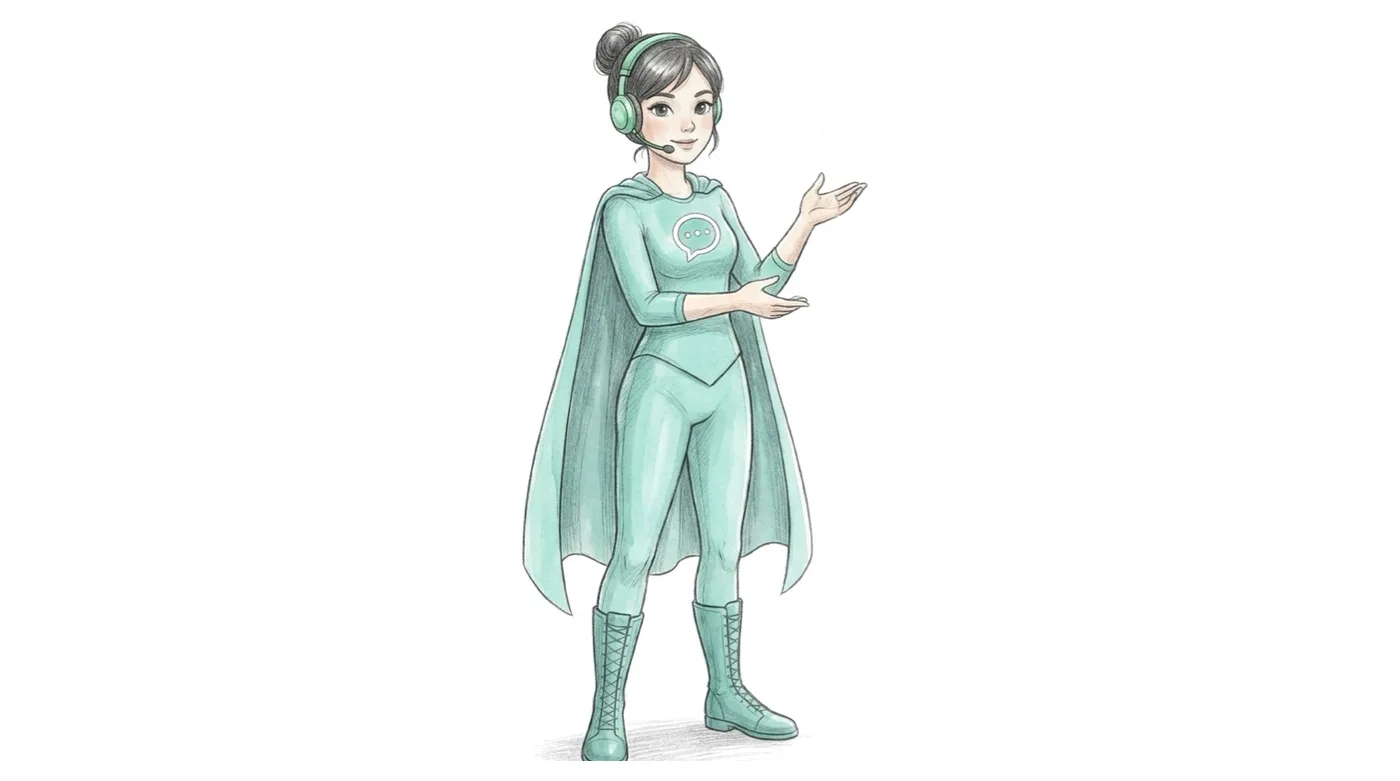
Mila is the AI agent from MILAGPT. She has this habit built in. From a few hints she puts the picture together: who the client is, what they want, what they forgot to ask. But a guess is not a fact. So she checks the important part with you in one question, and then gets to work.